Source Mountain Bike Bicycle Brake Lever for MTB, Road, and Kids Bikes
Find 30 mountain bike bicycle brake lever options from Xingtai suppliers. Compare mechanical and hydraulic models made from aluminum or steel. Evaluate customization, certifications, and packaging details for ordinary, road, and kids bicycles; compare the available evidence and request quotations based on your requirements.
Key considerations
Products List


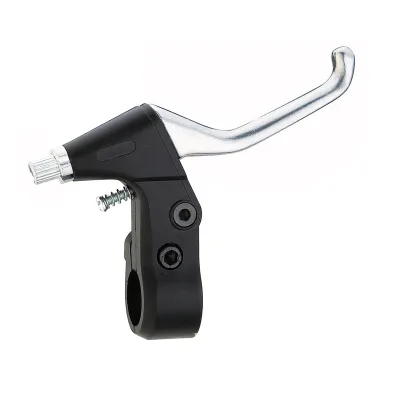


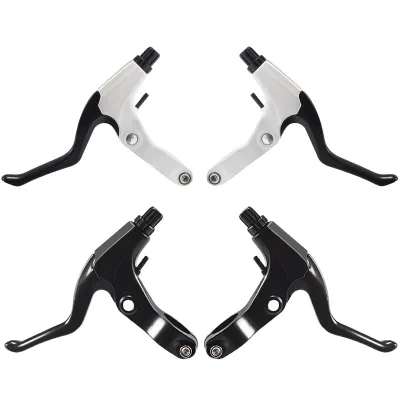
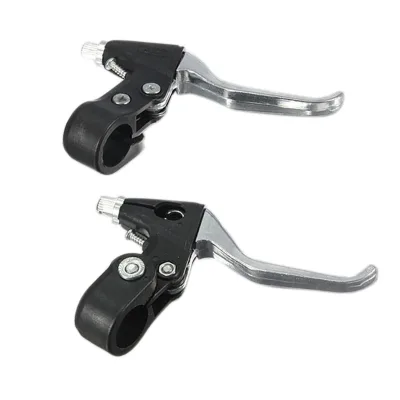
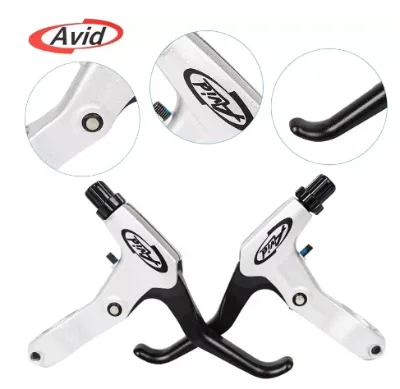
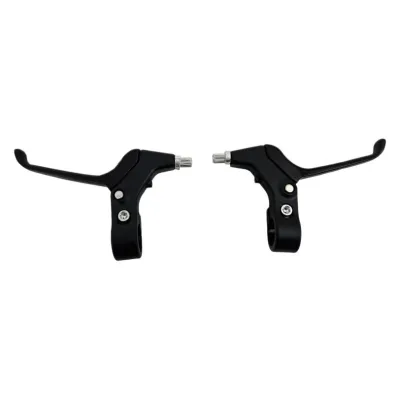
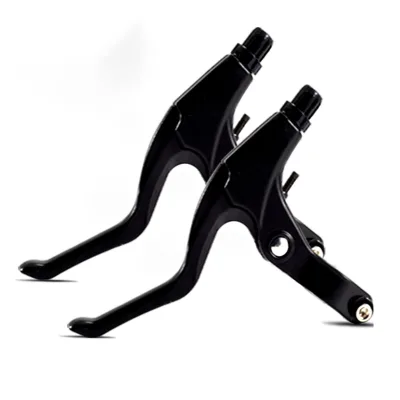
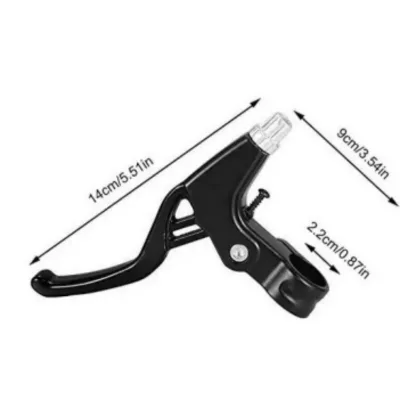
Comprehensive Sourcing Guide
Mountain Bike Bicycle Brake Lever Sourcing Guide
Sourcing high-performance braking components for mountain bikes requires a nuanced understanding of mechanical versus hydraulic systems, as the choice directly impacts rider safety and maintenance frequency. Buyers must evaluate whether the lever design accommodates specific hand sizes and riding styles, ensuring ergonomic fitment for diverse user bases. The market offers a variety of materials, primarily aluminum and steel alloys, each presenting distinct trade-offs between weight reduction and structural durability under high-stress conditions.
Procurement teams should prioritize suppliers who provide clear customization options, as off-the-shelf solutions may not align with unique brand identities or specific technical requirements. Verification of sample availability is critical before committing to large-volume orders, allowing quality assurance teams to physically inspect the finish, spring tension, and pivot smoothness. This hands-on evaluation helps mitigate the risk of receiving products that fail to meet the rigorous demands of off-road cycling environments.
Product Scope and Observed Listing Signals
The current market landscape for mountain bike brake levers reveals a diverse range of product attributes, with observed price points fluctuating between $0.21 and $10.35 USD. This wide variance suggests significant differences in material quality, manufacturing complexity, and brand positioning, requiring buyers to look beyond price alone when assessing value. Minimum order quantities (MOQs) typically range from 2 to 1000 units, offering flexibility for both small-scale prototyping and large-scale production runs, though bulk discounts may apply at higher tiers.
Listing signals indicate that many suppliers offer customized solutions, including specific color options like silver or black, and tailored packaging such as cartons or export boxes. Some products are explicitly designed for ordinary bicycles, road bikes, or kids' bikes, while others are specialized for mountain bike (MTB) applications. Buyers must carefully cross-reference these application tags with their actual needs, as misalignment can lead to compatibility issues with existing brake calipers or master cylinders.
Technical Specifications to Verify
Technical verification begins with identifying the brake mode, as mechanical and hydraulic levers operate on fundamentally different principles and require distinct installation procedures. Buyers should confirm the working way, such as hanging brake or V-brake configurations, to ensure compatibility with the bicycle frame and existing braking system. Additionally, the lever length, often described in finger widths, must be matched to the target demographic to ensure optimal leverage and control during intense riding conditions.
Material composition is another critical specification, with aluminum and alloy options providing lightweight durability, while steel variants offer robust strength at a higher weight. The finish quality, whether Cp, UCP, or ED coated, impacts corrosion resistance and aesthetic appeal, particularly in wet or muddy mountain biking environments. Procurement teams must also verify the return spring mechanism and overall hardness to ensure consistent performance and longevity under repeated use.
Compliance and Safety Documentation
Compliance with international standards is non-negotiable for bicycle components, with ISO certification serving as a baseline indicator of manufacturing quality and process control. Buyers should request documentation proving adherence to ISO9001 and SGS standards, which validate the supplier’s commitment to consistent quality management systems. These certifications help mitigate risks associated with product failures that could lead to serious injury during high-speed descents or technical trail sections.
Safety documentation should also include detailed material safety data sheets and any relevant third-party test reports, although specific test results are not always publicly listed. Buyers must ensure that the products meet regional safety regulations, particularly if importing into markets with strict liability laws. Verifying that the supplier maintains up-to-date certifications is essential for maintaining brand reputation and avoiding legal complications in the event of a product-related incident.
Cost Drivers and Commercial Terms
Cost drivers for mountain bike brake levers include material selection, surface treatment complexity, and the degree of customization required. Aluminum and alloy materials typically command higher prices due to their superior strength-to-weight ratio, while steel options offer a more budget-friendly alternative. Customization efforts, such as specific color matching or unique packaging, can also increase unit costs, so buyers should balance aesthetic preferences with budget constraints.
Commercial terms often include flexible price options like FOB, CIF, CNF, or EXW, allowing buyers to choose based on their logistics capabilities. Delivery times are typically around 15 days after deposit receipt, providing a predictable timeline for production planning. Buyers should negotiate clear payment terms and clarify any additional fees for tooling or sample shipping to avoid unexpected costs during the procurement process.
Supplier Qualification and Quality Control
Supplier qualification involves assessing the manufacturer’s production capacity, quality control processes, and track record in the bicycle component industry. Buyers should verify the supplier’s location, with many originating from established manufacturing hubs like Xingtai, Hebei, China, known for its robust supply chain infrastructure. Evaluating the supplier’s ability to handle large orders while maintaining consistent quality is crucial for long-term partnership success.
Quality control measures should include rigorous inspection protocols for each batch, ensuring that every lever meets specified dimensions and functional requirements. Buyers may request pre-shipment inspections or third-party quality audits to verify compliance with agreed-upon standards. Establishing clear communication channels for addressing defects or discrepancies is essential for maintaining product quality and resolving issues promptly.
Long-Term Procurement Checks
Long-term procurement success depends on establishing a reliable supply chain that can adapt to changing market demands and technological advancements. Buyers should regularly review supplier performance metrics, including on-time delivery rates, product quality consistency, and responsiveness to issues. Building a diversified supplier base can mitigate risks associated with single-source dependencies and ensure continuity of supply during peak seasons or disruptions.
Continuous improvement initiatives should include periodic reviews of product specifications and market trends to ensure that sourced components remain competitive. Engaging in collaborative discussions with suppliers about potential innovations or material upgrades can lead to better products and cost efficiencies. Maintaining strong relationships with qualified suppliers fosters trust and facilitates smoother transactions, ultimately supporting the brand’s reputation for quality and reliability.
FAQs
What materials are used for mountain bike brake levers?
Mountain bike brake levers are commonly made from aluminum, steel, or alloy materials. Some products also include plastic components for specific parts. These materials ensure durability and lightweight performance suitable for various bicycle types including ordinary, road, and kids bikes.
Can I get customized mountain bike brake levers?
Yes, customized mountain bike brake levers are available for many orders. Buyers can request specific colors like silver or black, and some models offer custom dimensions. However, certain product lines may be non-customized, so checking the specific model details is necessary before placing an order.
Which certifications do these brake levers hold?
These brake levers often hold ISO certifications and may meet ISO9001 or SGS standards. Some listings explicitly mention ISOCE compliance. Buyers should verify the specific certification status for each model, as not all products listed may carry the same documented quality assurance marks.
What is the typical lead time for delivery?
The typical lead time is 15 days after the deposit is received. This duration applies to standard orders for mountain bike brake levers. Buyers should note that lead times may vary based on order volume and specific customization requirements requested for the product.
How are the brake levers packaged for shipping?
Brake levers are typically packaged in cartons, export cartons, or boxes depending on the model. Some items are packed as 150 pairs per carton, while others use individual boxes. The packaging ensures safe transport and protection during international shipping to various global destinations.
What is the minimum order quantity for these levers?
The minimum order quantity ranges from 2 to 1000 units depending on the supplier and product model. Some specific listings require a minimum of 500 pairs. Buyers should confirm the exact MOQ for their selected model to ensure compliance with supplier requirements before finalizing the purchase.
Where are these brake levers manufactured?
These brake levers are manufactured in Xingtai, Hebei, China. Some listings simply state the origin as China. This region is known for producing bicycle components, and buyers can expect products to originate from these specific industrial locations in the Hebei province.